Cementing Mobile Laboratory
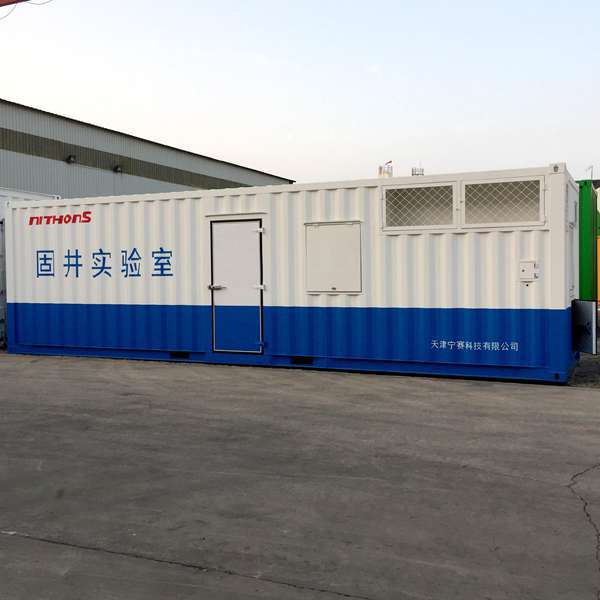
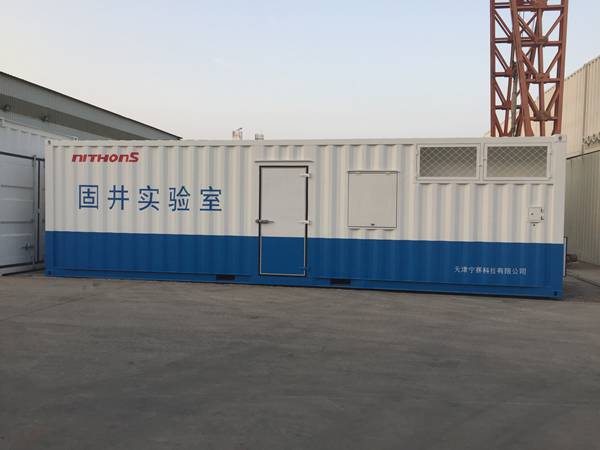
The cementing mobile laboratory features a modular all-metal frame structure, constructed with high-strength rectangular tubes and angle steel welding to ensure rigidity and seismic resistance. The exterior cladding utilizes corrosion-resistant carbon steel plates, with polyurethane foam insulation (thermal conductivity ≤0.025W/m·K) sandwiched in between, meeting thermal insulation requirements in extreme environments. Two industrial-grade HVAC units maintain a stable operating temperature of 20±5°C, ensuring the accuracy of precision instruments such as consistometers, compressive strength testers, and fluid loss testers.
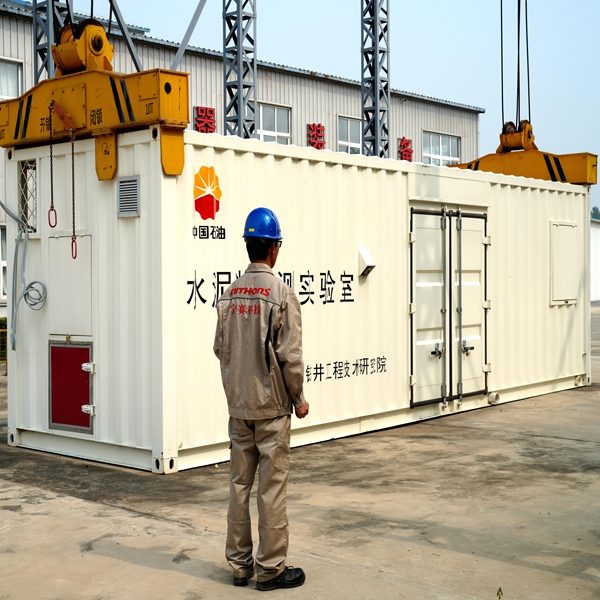
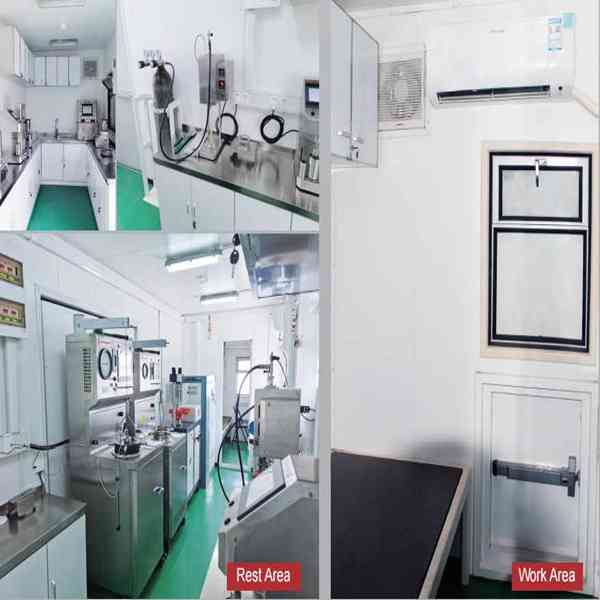
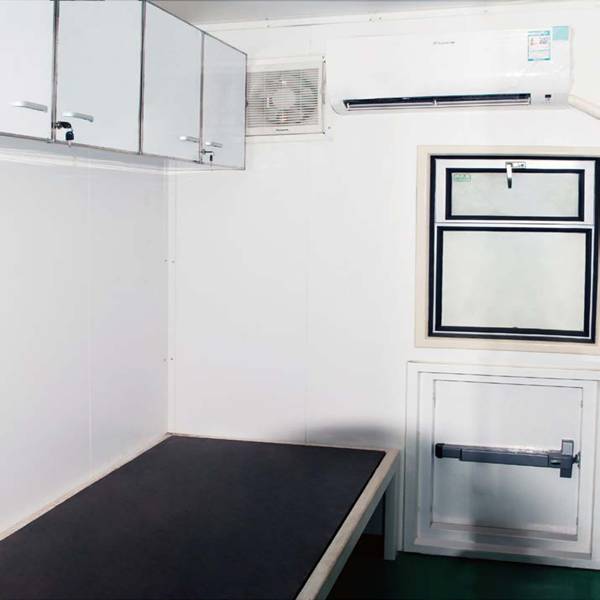
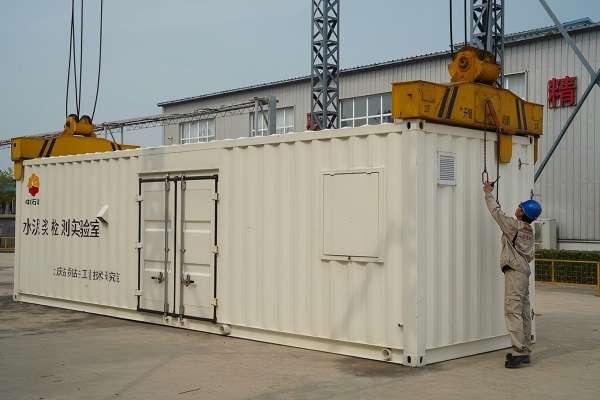
Designed in compliance with ISO 10426-1/API 10B standards, the cementing mobile laboratory adheres to 20-foot/30-foot/40-foot standard dimensions or customized dimensions, facilitating transportation via oilfield flatbed trucks or cranes. The interior is divided into an instrumentation zone and a crew rest area.
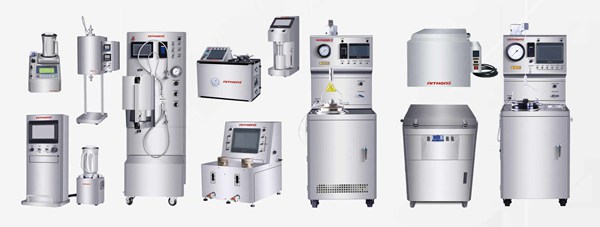
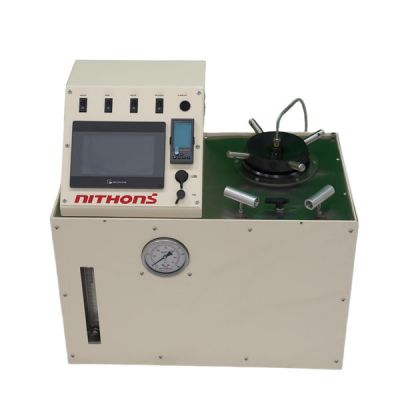
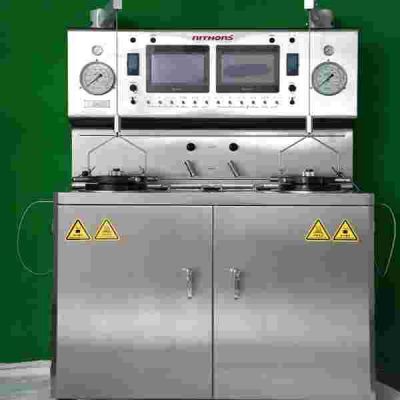
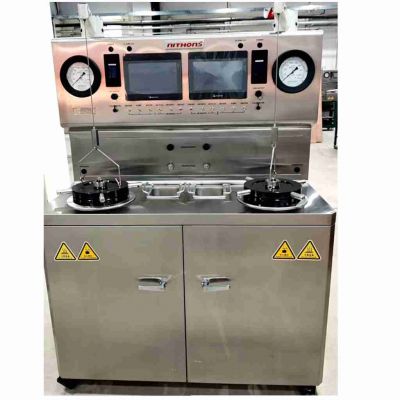
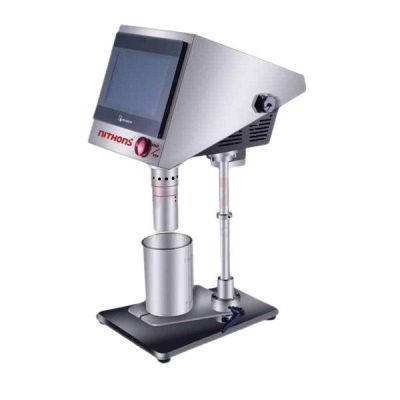
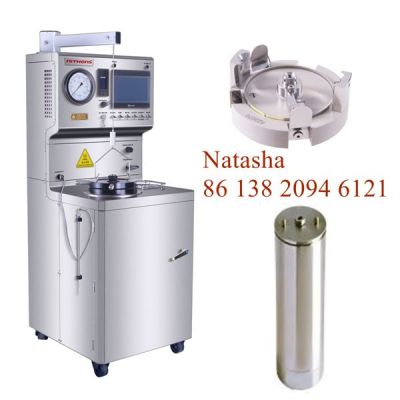
A complete cementing lab typically includes key instruments such as consistometers, rotational viscometers, fluid loss testers, ultrasonic cement analyzers, curing chambers, and mixing equipment. These devices work together to simulate downhole conditions and ensure accurate testing of cement formulations.
Widely used in oil and gas companies, research institutions, and service laboratories, cementing labs play a vital role in optimizing cement slurry design, ensuring well integrity, and improving operational efficiency.
With advanced equipment and standardized procedures, a modern cementing laboratory delivers reliable, repeatable results that meet international testing standards and support high-performance cementing operations.
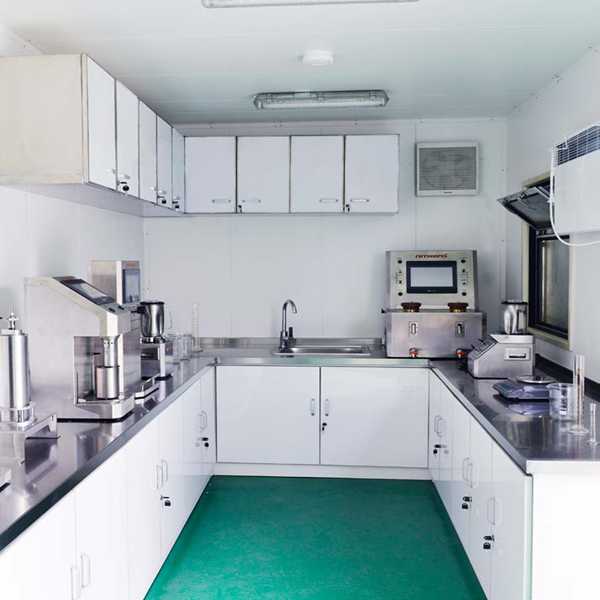
The testing zone is equipped with:
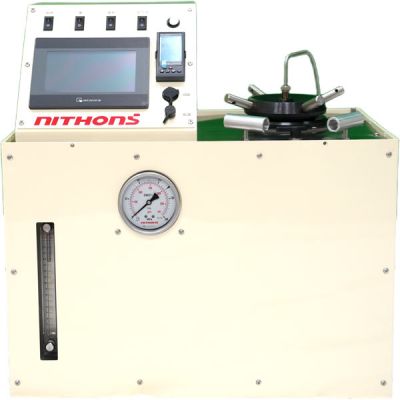
1, Cement slurry performance testing systems: Including Constant Speed Mixer, HTHP consistometer, atmospheric consistometers, rotational viscometer, Filter press, etc.
2, Mechanical property testers: Compressive strength testers, Curing Chambers(Autoclave), etc.
3, Auxiliary systems: Water baths, precision balances, mixers, etc.
The container integrates utility systems:
1, Electrical: Dual-voltage (220V/380V) distribution cabinets (with surge protection), total power ≥15kW
2, Pneumatic: Nitrogen/compressed air ports for pneumatic fluid loss testers
3, Water: RO purification systems meeting API fluid loss test requirements
All external interfaces use API 6A quick connectors. This design fully complies with cementing technical specifications (e.g., SY/T 5504.1-2020), enabling comprehensive field testing of slurry density, thickening time, free water, and other critical parameters.