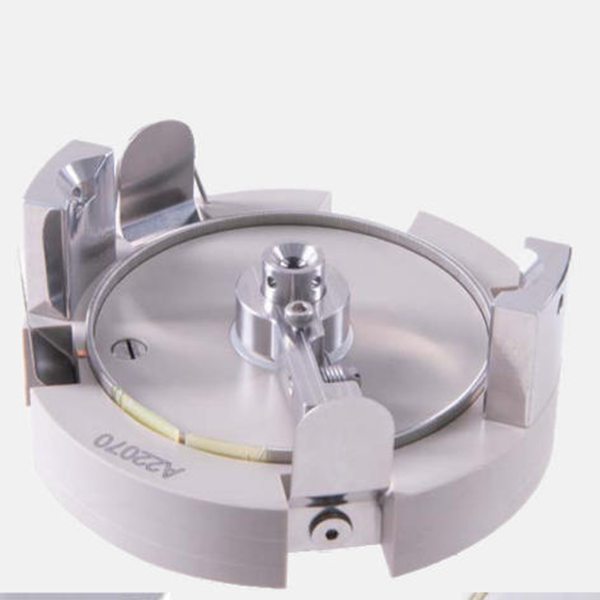
Torsional Spring Used as Contact Arm
Easy Calibration to 0Bc
Spring Free from Influence of Cement Slurry
Better View and Easy Installation
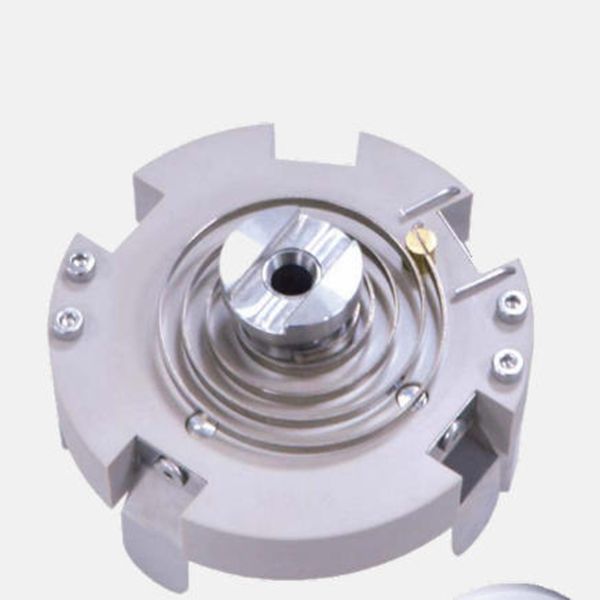
Central Shaft with Limiting Hole Ensures Easier Installation
Use of High Temperature Resistant Material
Ceramic Bearing Features Low Resistance, Long Service.
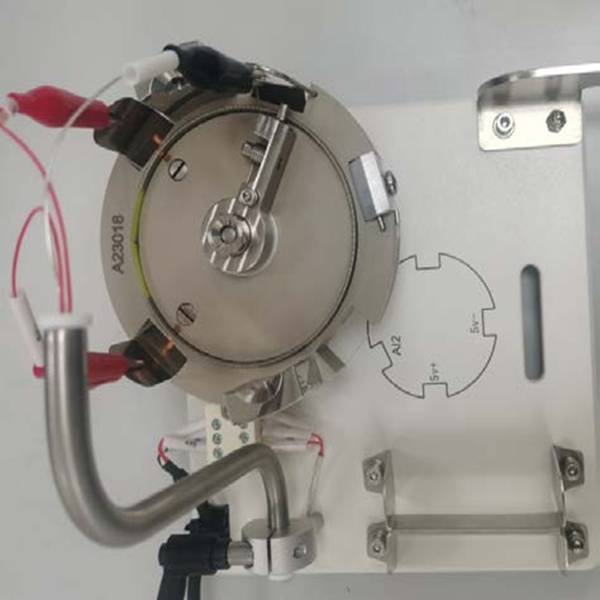
The consistometer potentiometer assembly is a precision mechanical and electrical component used in oilwell cement consistometers to measure and transmit cement slurry consistency during thickening time tests.
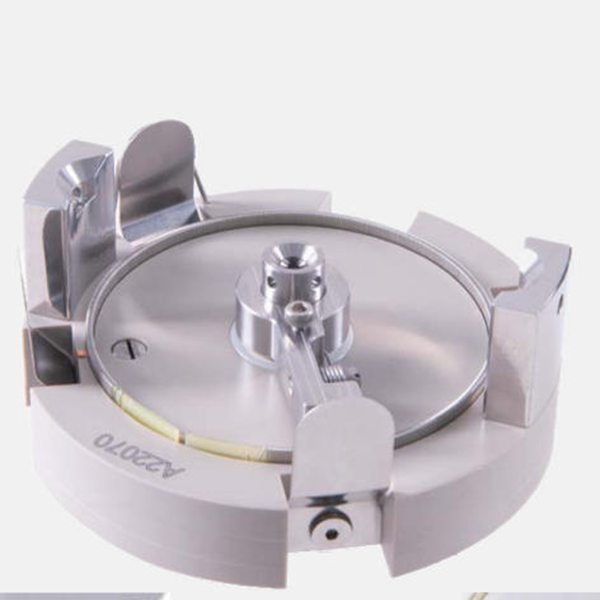
During a consistometer test, the potentiometer converts the mechanical movement generated by the slurry paddle and torsional spring into an electrical resistance signal. The signal is then processed by the consistometer control system and converted into Bearden Units of Consistency (Bc).
A reliable potentiometer is essential for stable consistency measurement, accurate calibration, and repeatable oilwell cement thickening time testing.
Designed for HTHP and atmospheric consistometer applications, this potentiometer assembly is suitable for equipment maintenance, replacement, laboratory upgrades, and spare-parts inventory.
The potentiometer works together with the consistometer paddle, torsional spring, and measurement system to detect changes in cement slurry resistance during testing.
Its stable resistance output helps the consistometer continuously monitor slurry consistency and generate reliable test data throughout the thickening time test.
The assembly is designed for consistent mechanical movement and stable electrical signal transmission, helping reduce measurement fluctuations caused by mechanical wear or unstable contact.
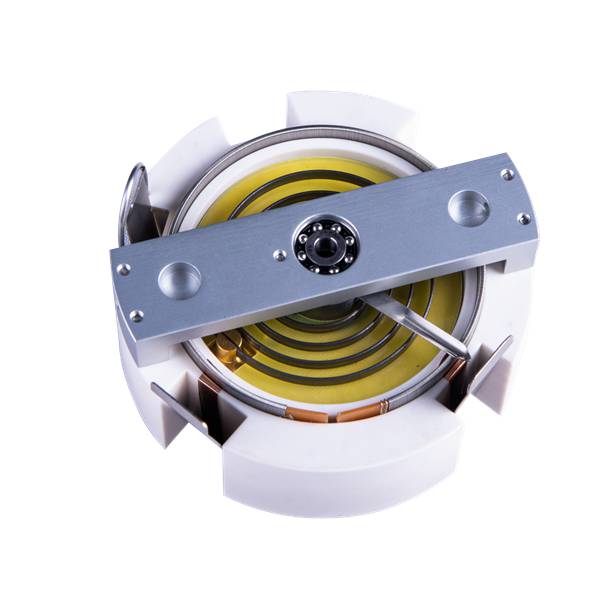
The potentiometer assembly uses a torsional spring as the contact arm, providing a stable mechanical connection between the rotating measurement mechanism and the potentiometer.
The spring structure is positioned to reduce direct exposure to cement slurry and minimize the risk of cement accumulation affecting the mechanical movement.
This design also facilitates routine cleaning, calibration, maintenance, and replacement.
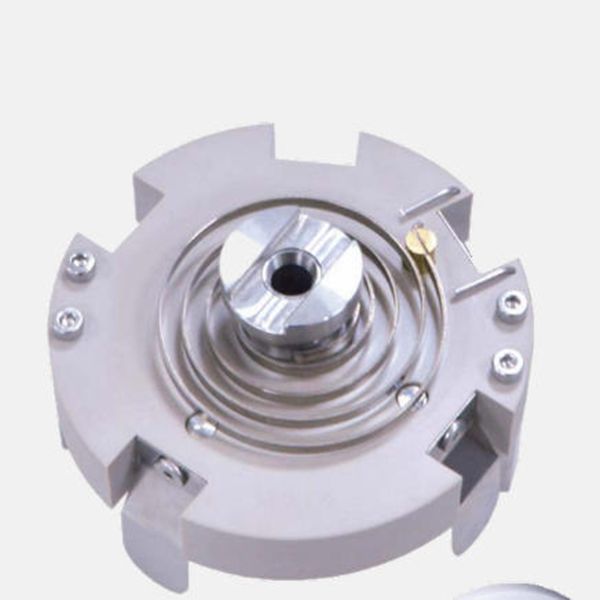
Proper zero-point calibration is important for reliable cement slurry consistency measurement.
The potentiometer assembly is designed to facilitate 0 Bc calibration, allowing laboratory technicians to adjust the measurement system before testing.
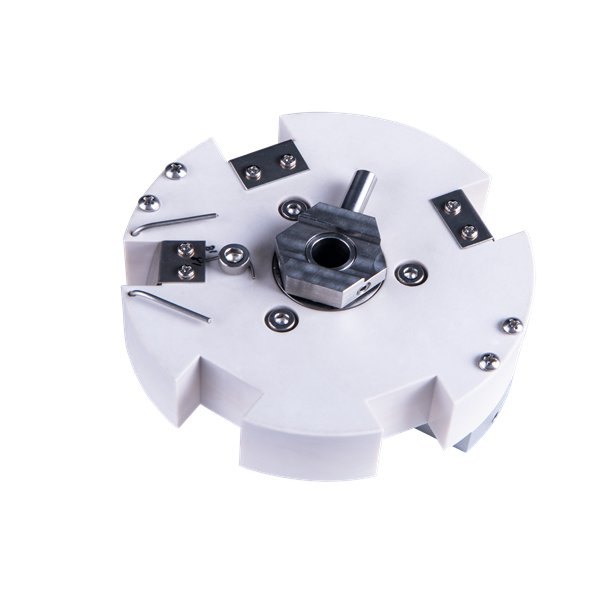
The central shaft incorporates a limiting structure to help guide installation and maintain the correct mechanical position of the potentiometer.
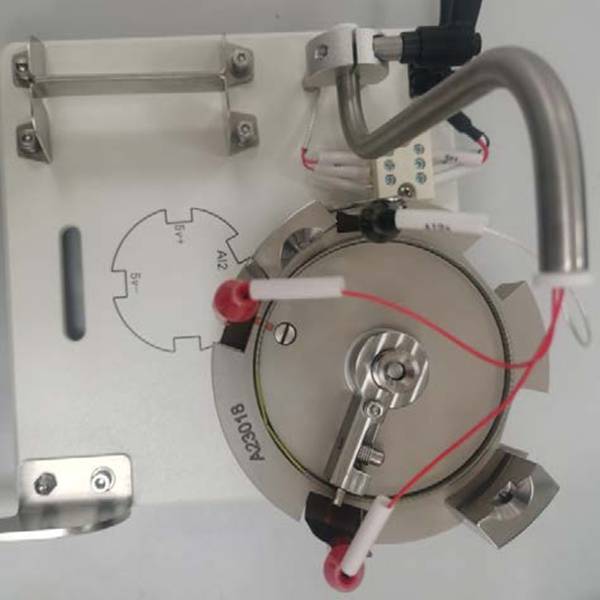
Oilwell cement testing can involve elevated temperatures, cement slurry, chemical additives, and repeated mechanical operation.
The potentiometer assembly uses high-temperature-resistant and corrosion-resistant materials for critical components. A ceramic bearing with low friction characteristics helps provide smooth mechanical movement and extended service life.
The robust construction makes the assembly suitable for repeated operation in oilwell cementing laboratories and cement testing facilities.
This potentiometer assembly is designed as a replacement component for consistometer maintenance and repair.
It can be used for:
For compatibility confirmation, customers can provide the consistometer manufacturer, model number, potentiometer photos, dimensions, or existing part number. Our technical team can confirm the suitable configuration before shipment.
The consistometer potentiometer assembly is mainly used in oilwell cement testing applications, including:
1. Cement Slurry Thickening Time Testing
Used with cement consistometers to monitor slurry consistency during simulated temperature and pressure conditions.
2. Oilwell Cement Laboratory Testing
Suitable for cementing laboratories, oilfield service companies, cement manufacturers, research institutes, and third-party testing laboratories.
3. Cement Additive Evaluation
Can be used when evaluating the effects of retarders, accelerators, dispersants, fluid-loss additives, and other cement additives on slurry thickening behavior.
4. Consistometer Maintenance and Repair
An ideal spare part for replacing aging, worn, or damaged potentiometer assemblies and restoring consistometer measurement performance.
Different consistometers may use different potentiometer dimensions, shaft configurations, electrical characteristics, mounting structures, and spring assemblies.
Therefore, compatibility should be confirmed before ordering.
We can provide technical support for:
Please send us the equipment model, photos, drawings, or existing potentiometer specifications, and our engineers can help confirm the appropriate assembly.
| Parameter | Specification |
|---|---|
| Product | Consistometer Potentiometer Assembly |
| Application | Oilwell Cement Consistometer |
| Measurement | Cement Slurry Consistency |
| Consistency Range | 0–100 Bc* |
| Contact Mechanism | Torsional Spring |
| Calibration | 0 Bc Zero-Point Calibration |
| Bearing | Low-Friction Ceramic Bearing |
| Construction | Stainless Steel / High-Temperature Resistant Materials |
| Application | Cement Thickening Time Testing |
| Installation | Consistometer Measurement Assembly |
| Customization | Available upon request |
*The actual measurement range and electrical characteristics depend on the consistometer configuration.
Looking for a replacement potentiometer for an oilwell cement consistometer?
Send us your equipment model, existing potentiometer photos, dimensions, or part number. Our technical team can check compatibility and provide the appropriate consistometer potentiometer assembly, technical information, quotation, and delivery time.
Contact NITHONS for replacement parts, OEM configurations, and oilwell cement laboratory equipment support.
Sino-Japanese joint venture Tianjin Nithons Technology Co., Ltd. was established in 2013, focusing on the research and development, manufacturing, sales and after-sales service of a new generation of oil cementing testing instruments and related accessories.
...[ read more ]